
Mark Griffin
Spiritual Teacher, Meditation Master & Artist (1954-2018)
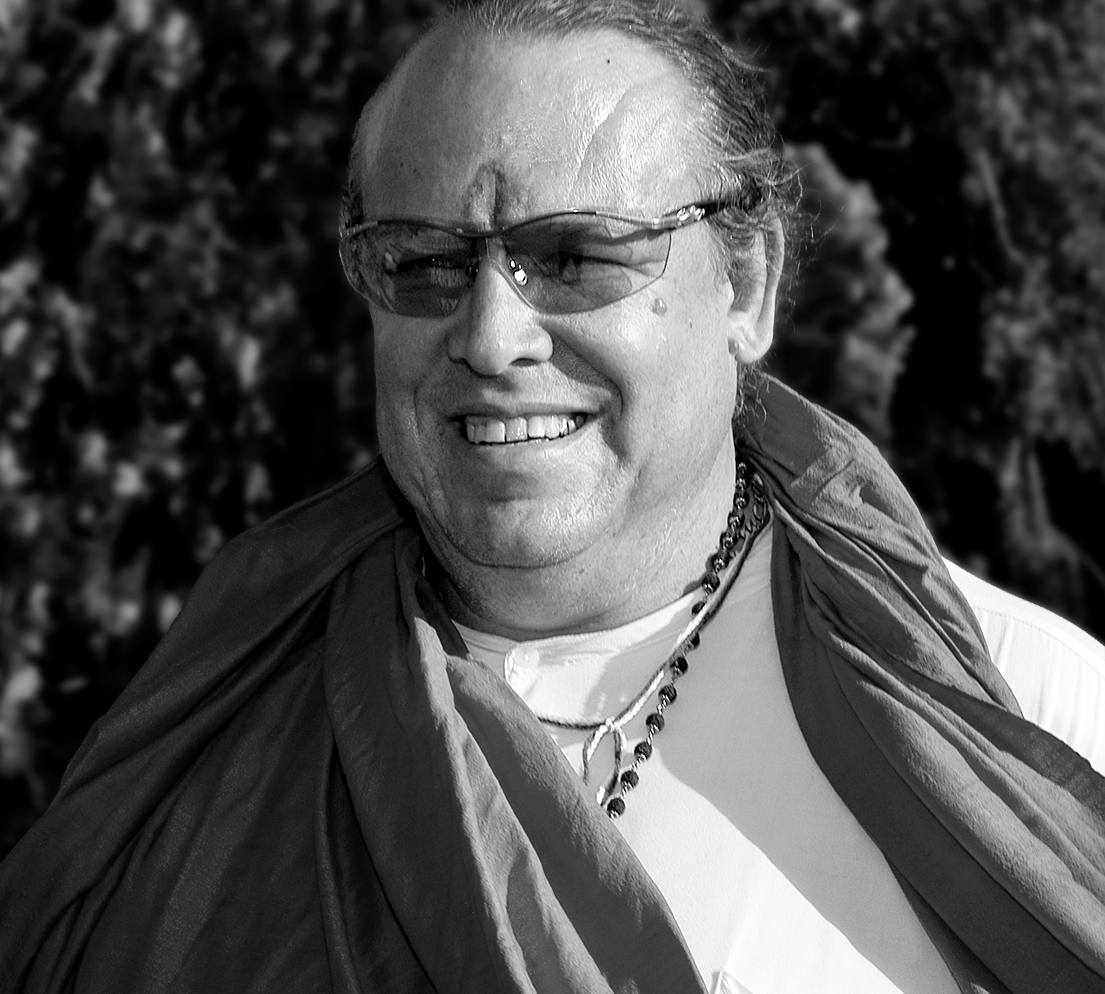
Who was Mark Griffin?
Mark Griffin (1954–2018) was an American spiritual teacher, meditation master, Tantric yogi, author, and multidisciplinary artist. A student of Swami Muktananda in the lineage of Bhagawan Nityananda, and later a student of the Tibetan master Kalu Rinpoche, Griffin founded the Hard Light Center of Awakening and taught meditation, Kundalini, Yoga Tantra, Guru Yoga, and the nondual nature of consciousness.
Through decades of teaching, writing, and artistic production, he presented meditation as a direct means of spiritual awakening and explored the dynamic relationship among awareness, energy, and form. The Awakening Archives preserves his recorded teachings, guided meditations, writings, transcripts, and related materials for practitioners, scholars, and those studying consciousness and spiritual transformation.
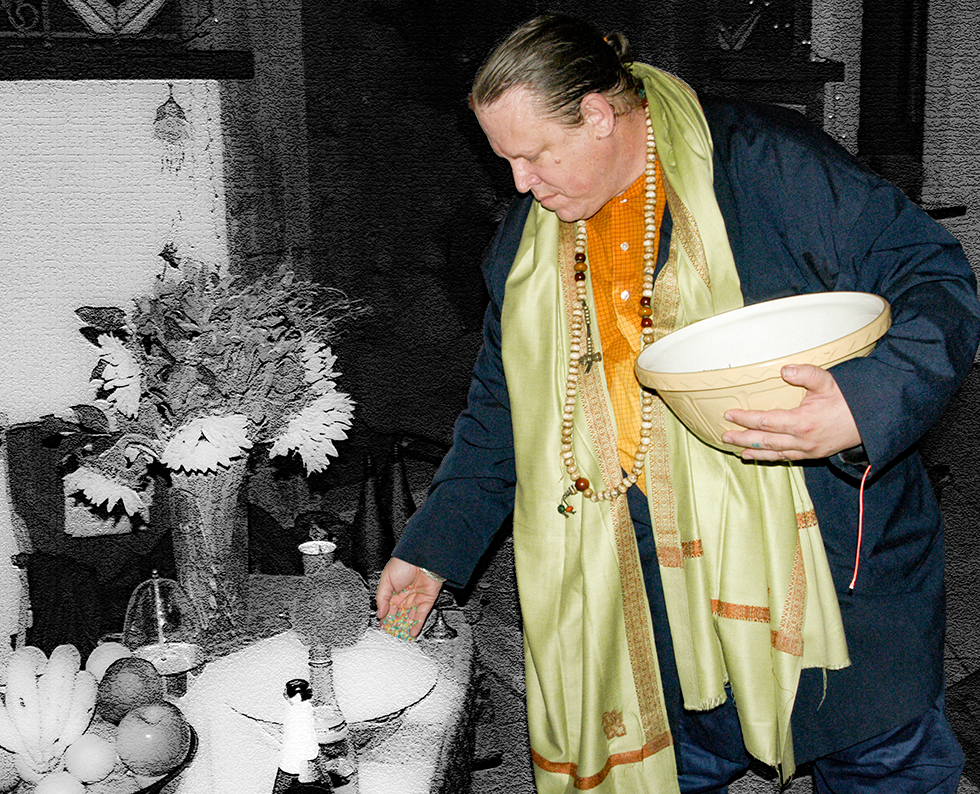
What did Mark Griffin teach?
Mark Griffin taught meditation as a direct path of awakening within an integrated system encompassing Kundalini Shakti, Yoga Tantra, Guru Lineage, and the recognition of consciousness. His teachings emphasized sadhana, concentration, breath, mantra, Shaktipat, and the refinement of attention as practical means of transforming perception and recognizing the Self.
Mark framed contemplative practice as a direct inquiry into the nature of being and reality. His discourses often explored the interplay between the manifest world of appearance and the subtler energetic dimensions that underlie it, encouraging practitioners to engage in disciplined self-observation and the refinement of inner attention.
In this context, the awakening of kundalini was understood not merely as an energetic phenomenon but as an evolutionary unfolding of consciousness, catalyzed through devotion, disciplined effort, and the grace of transmission (shaktipat).
Who were Mark Griffin’s spiritual teachers?
Mark Griffin’s formative spiritual training began in 1976 when he met his guru, Swami Muktananda, a disciple of Bhagawan Nityananda of Ganeshpuri. Over several years of intensive immersion in contemplative study and practice, primarily at Muktananda’s Oakland Ashram in California, Griffin underwent profound shifts in awareness that he later described in his teachings as essential thresholds on the path of realization. Among these was his entrance into nirvikalpa samādhi, a classical yogic designation for a state of nondual absorption beyond conceptual cognition.
Following Muktananda’s passing, Mark continued his contemplative training with the Tibetan master Kalu Rinpoche, further integrating Tantric and Vajrayāna perspectives into his understanding of meditation. This cross-lineage formation contributed to the distinctive character of his teaching, which combined elements of Siddha Yoga, Tibetan Buddhism, and classical Tantric philosophy within a contemporary Western context.
How did Mark Griffin approach meditation?
Central to Mark Griffin’s work was the conviction that meditation constitutes a practical and systematic means of awakening to the nature of consciousness. His instructional methods frequently emphasized the development of sustained concentration, flexibility of attention, breath awareness, mantra recitation, and insight into the layered structure of mind and perception.
He articulated a Tantric model of the human being as composed of multiple interrelated dimensions—physical, subtle energetic, mental, and supra-causal—each accessible through disciplined inquiry. In this framework, meditation was understood not only as a method of personal transformation but as a participatory engagement with the fundamental architecture of the human form and the creative forces underlying its existence.
Tantra, Kundalini, and the Path of Integration
Mark’s interpretation of Yoga Tantra sought to bridge traditional Eastern frameworks with Western experiential understanding. He emphasized the the awakening of Kundalini Shakti as a process that unfolds through both grace and effort, integrating devotion, ethical discipline, and sustained meditative absorption.
His teachings often explored the tension between transcendence and embodiment, presenting spiritual realization not as an escape from the world but as a deepened participation in the dynamic processes of creation. In this sense, the path of awakening was framed as an integrative endeavor in which psychological, energetic, and existential dimensions converge.

The Awakening Archives and the Continuity of Practice
The Awakening Archives has been established to preserve the continuity of Mark Griffin’s teachings and to provide a structured environment for their study and practice. Through recorded discourses, guided meditations, transcripts, and contextual materials, the archive serves as a repository of contemplative knowledge intended to support both individual practitioners and academic inquiry.
Become a member today to gain full access to this growing digital library. Your membership allows us to continue the preservation of Mark’s legacy in the years to come. Many of his teachings still remain in raw, unedited format, and it will take sustained effort to bring these into presentable form. Membership helps us to build community as we lay a strong foundation for the continuity of this rich and informative spiritual legacy.

Visual Art and the Exploration of Consciousness
Parallel to his work as a meditation teacher, Mark Griffin maintained an extensive artistic practice spanning drawing, painting, sculpture, large-scale photography, and music. His art explored the symbolic and energetic dimensions of the human form, often drawing on yogic models of subtle anatomy and states of consciousness.
In his figurative and expressionistic works, Mark sought to render visible the interplay between the subtle realms of inner experience and the raw vividness of external manifestation. Through layered imagery, dynamic gesture, and experimental processes, his visual language engaged themes of transformation, ecstatic perception, and the integration of opposing forces within the psyche.
His artwork frequently addressed the notion that form itself can function as a vehicle for expressing ecstatic states of awareness. In this respect, Griffin’s artistic work may be understood as an extension of his contemplative inquiry—an attempt to articulate, through visual means, the subtle phenomenology encountered in the inner world through meditation and yogic absorption.
Teaching Legacy and Continuing Influence
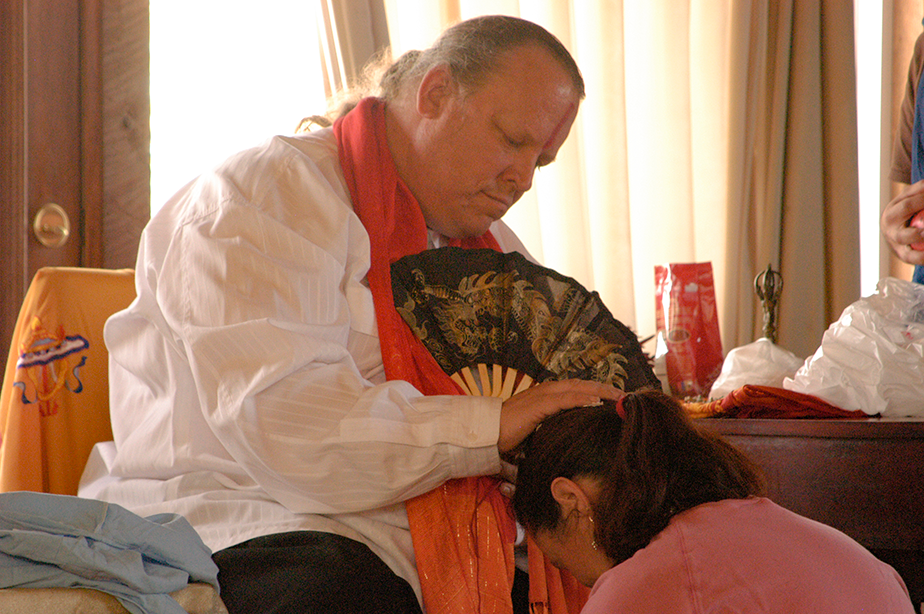
Beginning in 1989, Mark Griffin formally initiated a teaching career that eventually led to the founding of the Hard Light Center of Awakening in Los Angeles. Through retreats, intensive programs, and weekly instruction, Mark cultivated a community dedicated to the disciplined exploration of spiritual practice.
His written works, recorded teachings, and artistic output have been preserved in the Archives so that they might continue to inform contemporary discussions of meditation, Tantra, and consciousness studies.
If you are new to meditation or looking to deepen your spiritual practice, our free, self-paced course, Foundations of Spiritual Practice, offers a seven-module introduction to Mark Griffin’s teachings.