
Lesson 5 Summary: The Space Between the Breaths Meditation
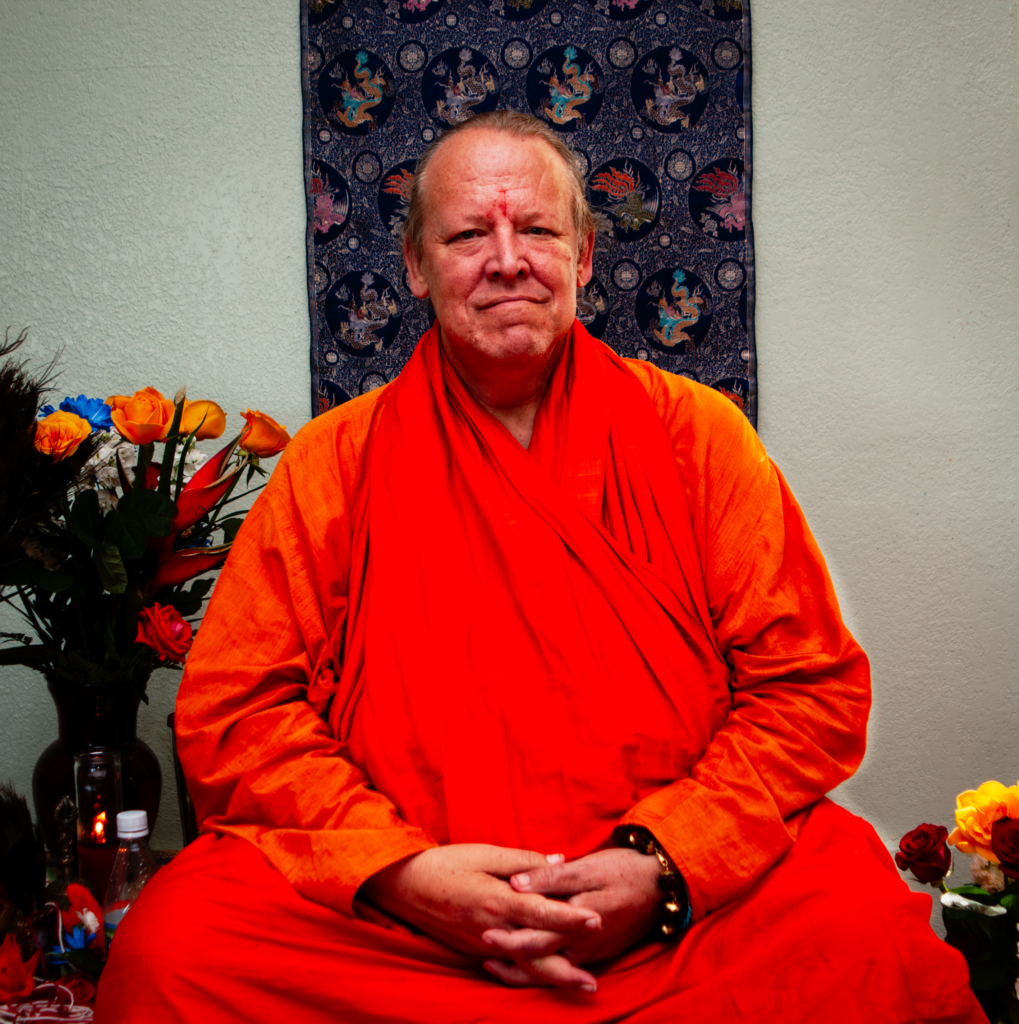
In this space between the breaths meditation, Mark Griffin guides practitioners toward the subtle pause between inhalation and exhalation. He presents this twilight-like interval not as an absence or interruption, but as an opening into awakened awareness.
The practice begins with bellows breathing, initiated and regulated through the solar plexus. This prepares the mind and energetic system for increasingly subtle attention. As the breath settles, awareness turns toward the natural interval in which one movement of respiration has ended and the next has not yet begun.
Within the movement of breath, Mark identifies the vibrations of So and Ham:
- So represents the vibration of creation and the manifested universe.
- Ham represents the vibration of the infinite—the ocean of pure consciousness.
Together, these vibrations form the SoHam mantra. Mark describes their movement through the central channel, or sushumna, while the space between them becomes the focal point of meditation.
Attention gradually shifts away from the physical sensation of breathing and toward the stillness underlying it. The pause between breaths becomes a luminous point within consciousness where ordinary mental activity subsides and the distinction between subject and object begins to soften.
Mark presents this inner space as a meeting point between manifestation and pure consciousness. So and Ham appear as two movements, yet the stillness between them reveals the unity from which both arise. The practitioner is invited to recognize that silence not as something created through effort, but as a reality already present beneath the movement of breath and thought.
The Natural Pause Between Breaths
The purpose of this meditation is not to forcefully hold the breath or manufacture an unusual experience. Attention rests within the natural pause as it reveals itself, following the guidance of the recorded practice without strain.
As concentration becomes steadier, the pause can function as a training ground for stabilizing awareness. The practitioner learns to remain attentive during a moment when the usual reference points of movement, thought, and identity briefly recede.
Mark also connects this space with bodhicitta, the awakened heart-mind and seed of enlightenment. As attention enters the stillness between breaths, bodhicitta is revealed and amplified as an innate potential of the human form.
The space between breaths therefore becomes more than a meditation technique. It serves as a vehicle of recognition—a doorway through which attention moves beyond ordinary mental activity and toward the awakened ground of consciousness.
Mark describes this movement as stepping “between the worlds.” The practitioner remains present within embodied experience while becoming receptive to the subtler dimensions of awareness underlying it. Through repeated practice, stillness is no longer encountered only as a momentary gap; it begins to inform meditation, perception, and daily life.
🌀 Questions for Contemplation
Contemplation allows us to feel our way into the deeper questions of spiritual life. It differs from discursive thinking—the step-by-step process through which we gather and organize information. While intellectual understanding has an important role, contemplation activates the intuitive faculties that lead toward insight, understanding, wisdom, and realization.
Allow these questions to unfold gradually within awareness. You may work with them during meditation or through journaling, without attempting to force a particular experience or conclusion.
Contemplate
- What is the “space between the breaths” for you — experientially, not conceptually? Can you describe it without using the mind?
Let this question direct attention toward the natural pause itself. What is present before the mind interprets or describes the experience? - When Mark describes the vibrations of “So” and “Ham” as the representation of creation and consciousness, what does that duality mean to you? Where do you see it in your life? Consider where you experience movement and stillness, manifestation and spaciousness, or individuality and universality within your own life.
- Can I remain aware of the natural stillness between breaths without manipulating or holding the breath? Explore whether a recognition of this stillness can remain present while sitting, walking, working, or moving through daily life. What changes when you remember it?
- What does Mark’s association of bodhicitta with the space between breaths suggest about awakened awareness? Reflect on the possibility that awakened nature is not something imported from outside, but a capacity already present within the human form and revealed through refined attention.