


Lesson 1 Summary: Why Do Sadhana?
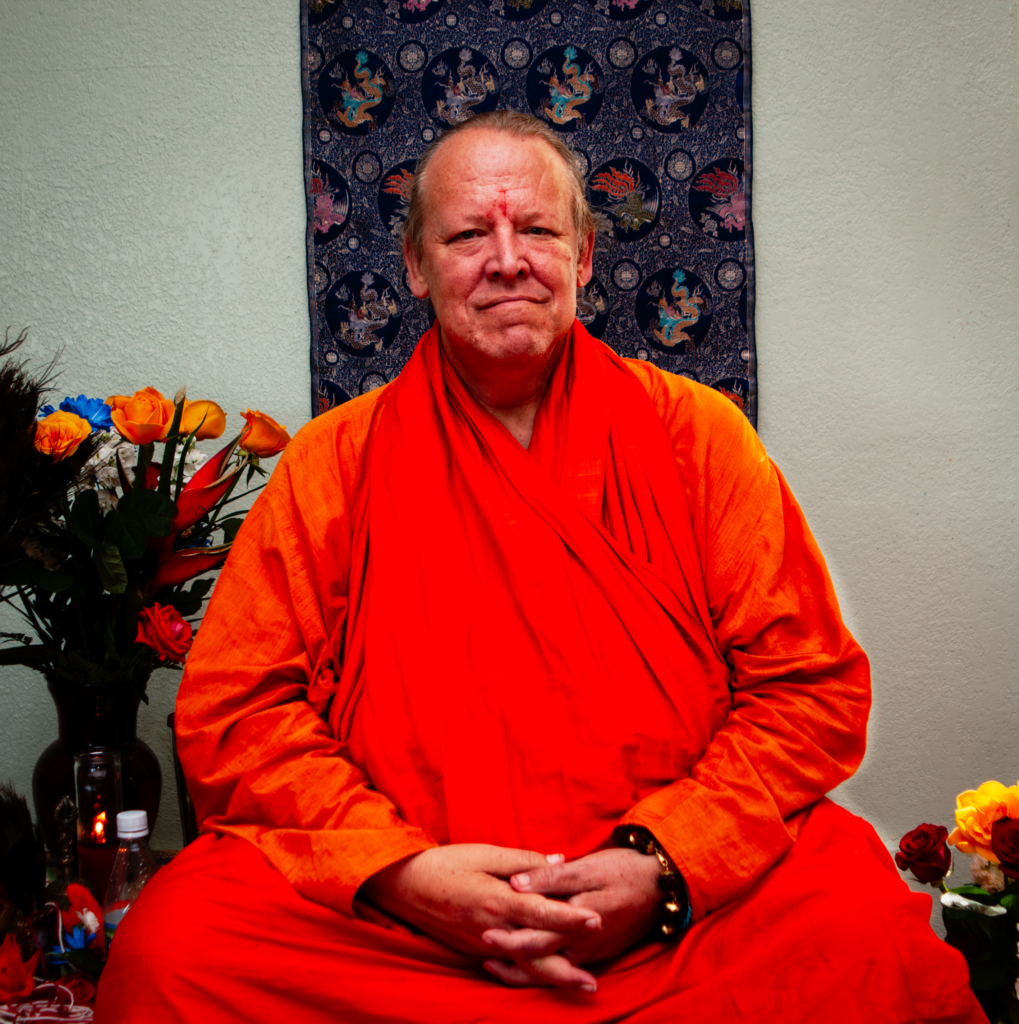
Why do sadhana? In this foundational teaching, Mark Griffin presents sadhana—spiritual practice—as the means by which an aspirant moves from knowledge toward wisdom and from spiritual potential toward direct realization.
Sadhana is the disciplined effort to know the Self through experience rather than intellectual understanding alone. Study can provide an essential foundation, but Mark distinguishes information gathered by the mind from wisdom that has become embodied through meditation, contemplation, and practice.
The world continually encourages identification with the body, mind, personality, and changing circumstances of life. The spiritual path directs awareness toward a deeper center of identity—the vast and eternal Self that remains present beneath these temporary forms.
Daily spiritual practice supports this movement by developing concentration, strengthening awareness, and gradually loosening identification with conditioned patterns. Meditation, devotion, self-inquiry, and contemplation become practical means through which the practitioner learns to recognize what is lasting within experience.
Mark presents sadhana as more than a lifestyle, belief system, or collection of techniques. It is a purifying force that clears obstruction, awakens dormant spiritual faculties, and prepares the practitioner to receive grace. Through sustained effort, the human form becomes increasingly capable of recognizing and expressing the deeper consciousness within it.
The initial desire to undertake spiritual practice is itself mysterious. Mark describes the inner pull toward awakening as an echo of the Self remembering itself. A person may initially experience this call as dissatisfaction, longing, curiosity, or the intuition that life contains possibilities not yet realized.
Sadhana gives that longing direction. It provides a disciplined way to turn inward, examine the structures of identity, and bring spiritual understanding into daily life. Practice gradually closes the distance between what one knows intellectually and what one has directly realized.
The question “Why do sadhana?” therefore points toward a larger question: What kind of transformation is genuinely possible within a human life? Mark’s answer is that sustained spiritual practice offers a real opportunity to move beyond inherited limitation and awaken to the truth of the Self.
🌀 Questions for Contemplation
Contemplation allows us to feel our way into the deeper questions of spiritual life. It differs from discursive thinking—the step-by-step process through which we gather and organize information. While intellectual understanding has an important role, contemplation activates the intuitive faculties that lead toward insight, understanding, wisdom, and realization.
Allow Mark’s words to create space for your own deeper knowing. You may wish to journal as you consider what has drawn you toward spiritual practice and how sadhana is affecting your inner life.
Contemplate
- What first drew me to the spiritual path—and what continues to call me now?
Explore the subtle longing behind your journey. What truth, transformation, or freedom are you genuinely seeking? - In what ways do I still identify with the body, the mind, or the personality—and how do these identifications shape my experience of reality?
Consider how these identifications shape your experience of reality. Begin to notice the layers of identity that may conceal recognition of the deeper Self. - What does daily spiritual practice clear away in me? What does it reveal?
Reflect on how consistent effort affects your attention, reactions, relationships, and inner landscape. What becomes possible through this newfound awareness? - Can I feel the difference between knowledge I’ve gathered, and wisdom I’ve realized?
Recall moments when insight arose through direct experience rather than thought alone. How did that realization differ from something you had merely learned or understood conceptually?